
Provincial funding
We’re asking the B.C. Government to:
Follow the recommendations from the independent review of CleanBC & its call for renewal, not retreat
Restart the Active Transportation Infrastructure & Planning Grants program
Keep rising to the challenge—escalate investments in better mobility every year
In spring 2025, the B.C. government paused its Active Transportation Infrastructure & Planning Grants Program, while it conducted a review of CleanBC climate action programs.
In November, the province concluded its review and began reviewing its recommendations, which included a call for “a new approach [that] would set and steward updated climate pollution goals and other tangible progress indicators…[and] set ambitious but achievable new targets for climate pollution reduction, efficiency, clean energy use, and electrification, with greater transparency and accountability…”
Today, the AT grants program remains on pause.
The continuation of this program is essential to help our communities begin to transform urban mobility, and help reduce the climate impact of greenhouse gas (GHG) emissions from B.C.’s road transportation inventory.
Provincial contributions to transportation and transit must occur every year, and they must allocate more funding to sustainable transportation modes to reflect the growth of both population and GHG emissions from motor vehicles.
Provincial funding priorities must change.
Current annual spending, per capita (2025 B.C. budget):
$930 - transit & transportation infrastructure
$18 - highway/bridge maintenance
$4.00 - AT capital projects (ie. Massey crossing)
$3.50 - AT infrastructure and planning grants
$1.14 - e-bike rebates
Recommended annual spending, per capita:
$40 - AT infrastructure & planning grants
$12 - AT capital projects
$10 - e-bike rebates
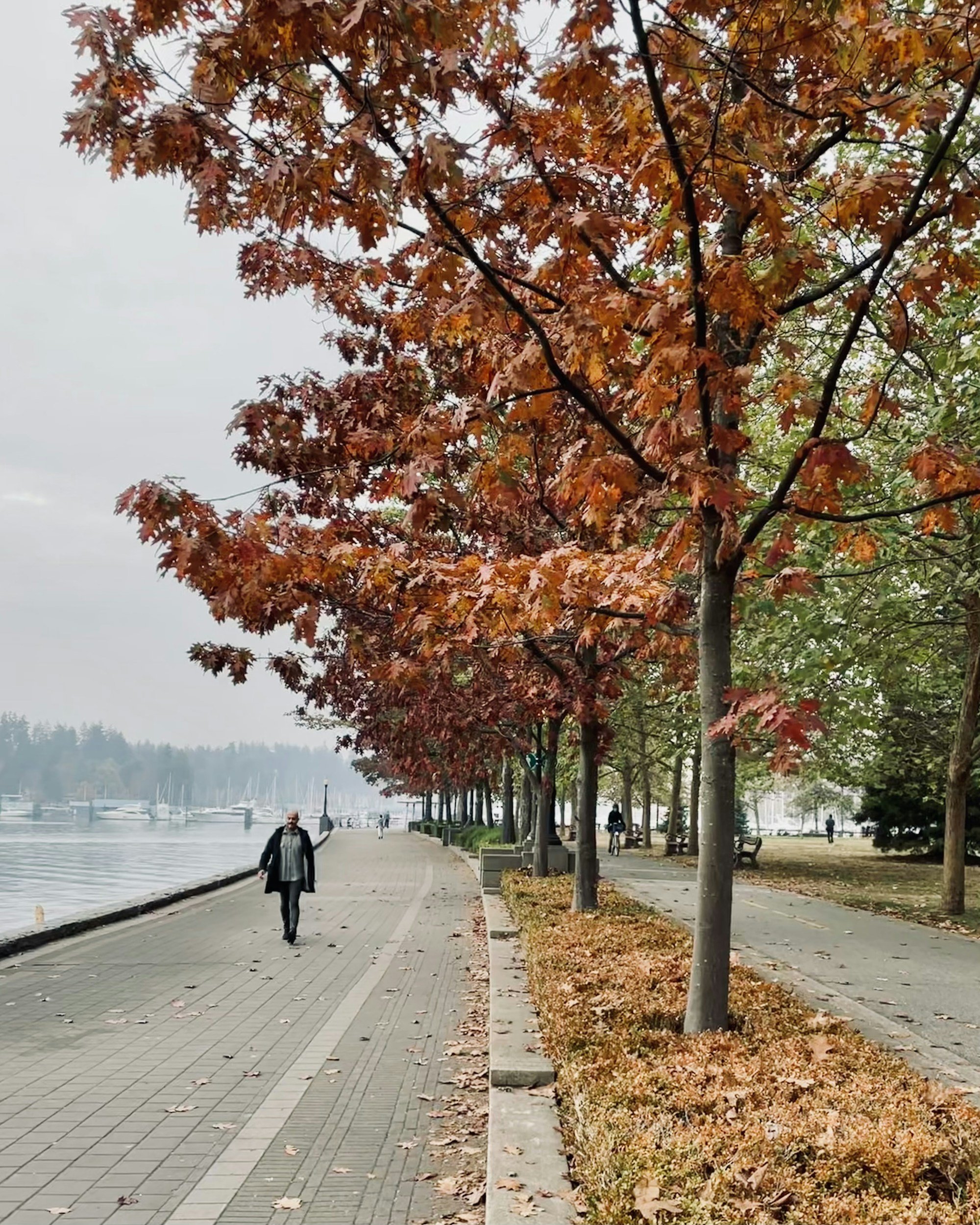
The Active Transportation Infrastructure Grant Program was established in 1993 as the Cycling Network Fund, a capital funding program that incentivized B.C. municipalities to build cycling infrastructure.
The first year, CNP contributed $4m in matching funds to 27 projects across the province; since 2004, B.C. government funding has supported over 600 active transportation infrastructure projects.
Last year, $24m was awarded to projects in 80 communities, all aimed at helping to improve facilities and amenities for cycling, walking, and other active travel modes.
Since 1993, total GHG emissions in B.C. have risen 20%, largely due to the growth of emissions from road transportation.
GHG emissions from motor vehicles grew by 34%
After energy combustion, road transportation is now B.C.’s largest source of emissions
Motor vehicles account for almost 1/4 of all GHG emissions in B.C.
Road transportation contributes more emissions than industry, agriculture, waste, and land use combined.
Restarting this program and significantly increase in funding levels are essential to reducing the impact of GHG emissions from road transportation in B.C.